Adding Character With Creative Wall Textures
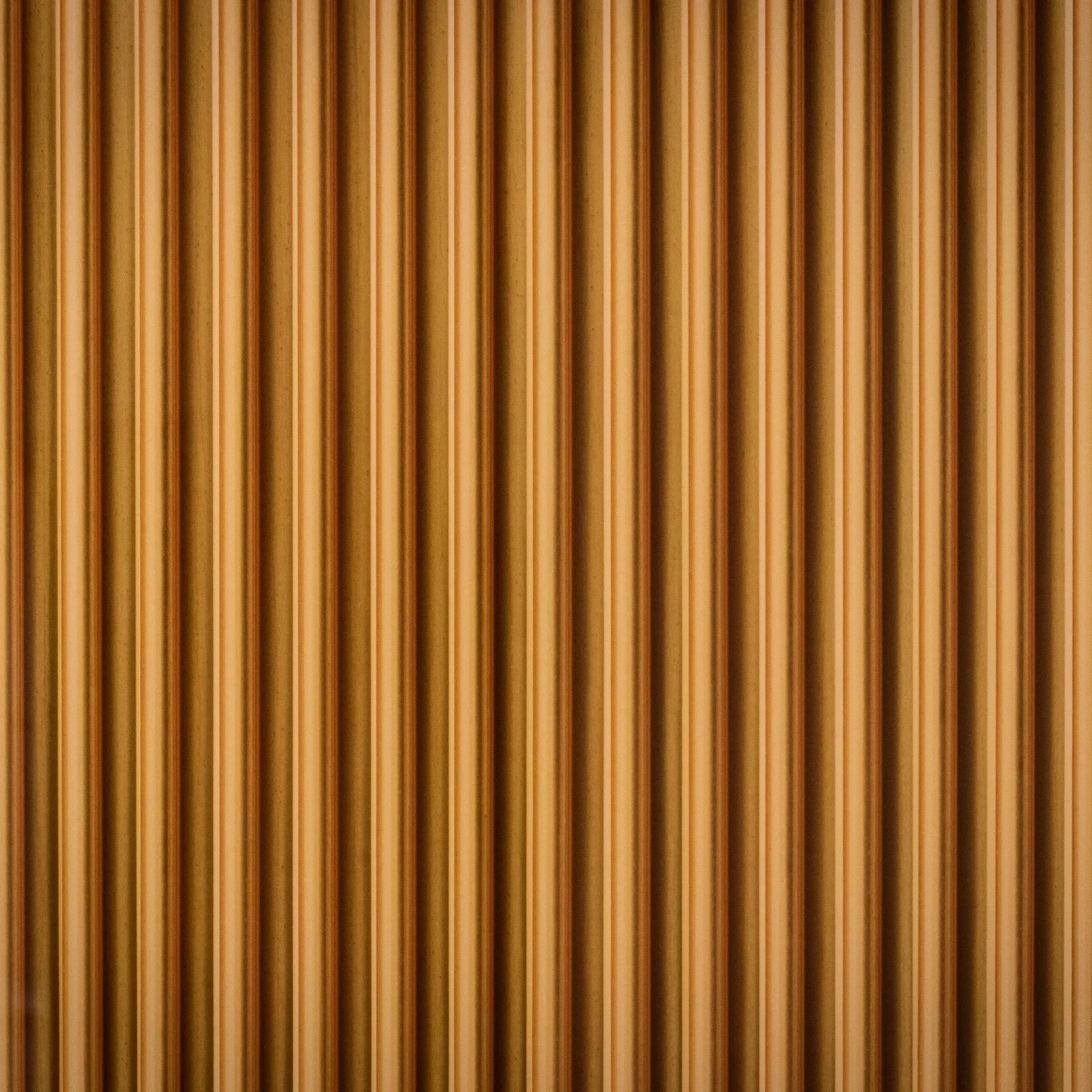
With skilled sheetrock tape and texture work, walls transform from flat and forgettable to full of depth and charm.
Walls have a way of setting the tone before a single piece of furniture is even brought into the room. They shape how light dances across a space, how sound echoes or softens, and how a room feels the moment someone steps inside. While color often takes center stage, texture quietly adds personality. With skilled sheetrock tape and texture work, walls transform from flat and forgettable to full of depth and charm.
More Than a Blank Canvas
Plain walls may keep things simple, but texture adds a richness that color alone can’t provide. Smooth finishes suggest minimalism and elegance. Subtle swirls and patterns introduce movement. Heavier finishes, such as knockdown or skip trowel, infuse rooms with warmth and character. Each texture technique tells a different story, creating an atmosphere that feels curated rather than cookie-cutter.
Texture allows creativity to shine without overwhelming the space. It can add a hint of drama or a whisper of sophistication, all while covering minor imperfections that would otherwise demand attention. In the hands of a skilled professional, even basic drywall becomes a stage for artistic expression.
The Role of Tape and Technique
Behind every beautifully textured wall lies a layer of quiet precision. Tape work doesn’t usually make headlines, but it plays a pivotal role in determining how smooth and seamless a finished surface appears. Every seam, corner, and joint relies on tape to create a durable foundation. When applied with care, it becomes invisible beneath the texture.
Smooth tape work means no bubbling, no cracking, and no telltale lines showing through the final layer. Clean seams, crisp corners, and even transitions are essential before texture can even think about joining the party. The process takes patience and a practiced hand, blending functional support with aesthetic preparation.
Choosing a Texture That Fits the Space
Texture shouldn’t be an afterthought. It should complement a room’s function, lighting, and style. In high-traffic areas like hallways and family rooms, knockdown or orange peel finishes add visual interest while quietly hiding life’s little dings. In smaller spaces or rooms with limited natural light, a light hand with texture keeps things airy without feeling sterile.
Smooth finishes offer a refined look perfect for contemporary spaces or rooms with bold color palettes. Heavier patterns, such as slap brush or skip trowel, bring a rustic or Mediterranean feel, ideal for cozy dens or eclectic interiors. Ceiling textures such as popcorn or stomp might suit vintage homes, but can also be updated for a cleaner, modern look using skim coating.
No single texture works for every situation, and that’s the beauty of it. Professionals tailor the approach to each space, matching the finish to the vision and the function without compromising quality.
The Power of Personality
Walls reflect more than light—they reflect personality. Texture allows homeowners to infuse their space with subtle individuality. It can echo architectural features, create rhythm across large surfaces, or soften the feel of a room. Texture adds warmth to sterile environments and structure to overly open spaces.
Unlike bold paint or dramatic wallpaper, texture often feels timeless. It blends rather than dominates. Guests may not be able to name the technique on your dining room walls, but they’ll remember how the space felt inviting, grounded, and quietly polished.
In older homes, matching existing textures becomes a skill all its own. Patching a ceiling or wall demands a keen eye and a steady hand. Professionals study the original finish, mix the compound to match, and apply it with just the right touch. When done well, the repair disappears into the original, as if it was always there.
Beyond Aesthetic Appeal
Texture doesn’t just look good—it works hard. It helps diffuse light, making walls appear more uniform even when imperfections exist. It absorbs minor sound reflections, softening acoustics in large or echo-prone spaces. In some cases, texture also adds a protective layer that resists scuffs and minor wear.
Durability plays a key role in the decision-making process. Families with children or pets often appreciate the low-maintenance charm of textured walls. High-humidity areas may call for specialty compounds or techniques to prevent peeling and maintain adhesion. The right application method, tailored to the room’s conditions, offers peace of mind alongside good looks.
Making Old Walls Feel New
Updating old walls doesn’t always require tearing them down. Sheetrock tape and texture work can breathe new life into tired surfaces. Covering up outdated popcorn ceilings, repairing cracked seams, or smoothing out rough patches offers an immediate facelift without the disruption of complete remodeling.
Skim coating, a method where a thin layer of joint compound is applied over existing surfaces, can erase decades of dents and damage. It leaves a smooth, fresh finish ready for paint or a custom texture. Combined with new lighting or trim, it creates a space that feels entirely new—without changing the footprint.
The Beauty of Subtle Craftsmanship
One of the greatest compliments in the world of drywall is invisibility. When walls feel cohesive, consistent, and calm, they let everything else shine. No one stops to admire the seams, but they feel the comfort of quality beneath the surface. Good tape and texture work lives in that sweet spot—noticed only when it’s absent, appreciated most when it quietly elevates the room.
Craftsmanship is evident in the sanding, feathering, and the perfect trowel stroke. It’s the difference between “good enough” and “just right.” Professionals know how to balance creativity with discipline, using their tools like paintbrushes on a vertical canvas.
Texture in Unexpected Places
Accent walls aren’t just for paint anymore. A textured accent wall can anchor a room, add architectural interest, or highlight a feature, such as a fireplace or bookshelf. In commercial spaces, textured walls make waiting areas and meeting rooms feel more inviting and comfortable. In homes, they can help transition from room to room without abrupt stylistic shifts.
Even ceilings benefit from a little attention. Instead of ignoring the “fifth wall,” texture can turn ceilings into subtle showpieces. A lightly stamped or brushed ceiling adds dimension without drawing too much focus, proving that every surface has potential.
Walls That Work Hard and Look Great
A well-textured wall doesn’t just stand there—it contributes. It balances light, softens sound, withstands wear, and reflects personality. With thoughtful application and expert hands, it becomes more than drywall. It becomes a design element in its own right.
Homes deserve more than the bare minimum. They deserve walls that stand the test of time and make a lasting impression. Texture doesn’t shout; it whispers sophistication, confidence, and comfort. With professional sheetrock tape and texture work, every surface tells a story—quietly, beautifully, and with just enough flair.
Clover Valley Home Services is a licensed B2 remodeling contractor with extensive experience in providing interior & exterior doors, trim carpentry & built-in services, sheetrock tape and texture work, hardie board siding specialist, painting- interior & exterior, and dry rot & termite damage repair solutions in Rocklin, CA. We have a team of skilled tradesmen using the latest tools and technology to deliver reliable results. Get your free estimate today by scheduling an in-home consultation.