

Our Blog
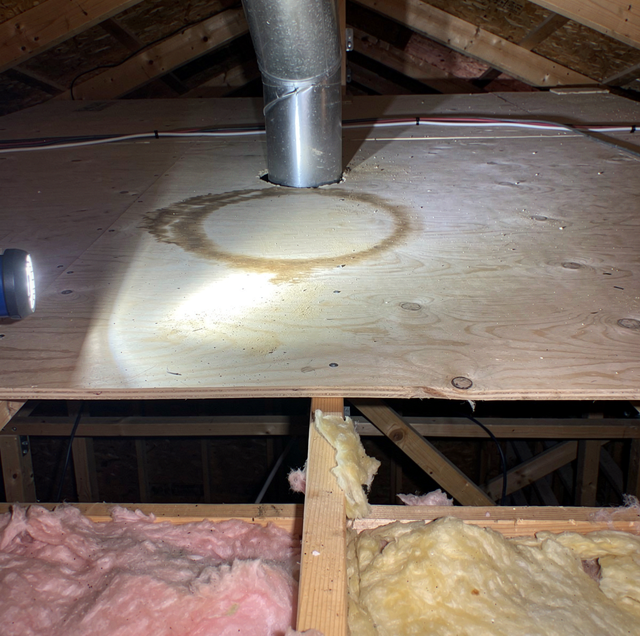
Warning Signs Your Roof Needs Attention Before the Rainy Season
You climb into the attic to grab a box of holiday decorations and your flashlight catches a brown ring on the plywood near the chimney.
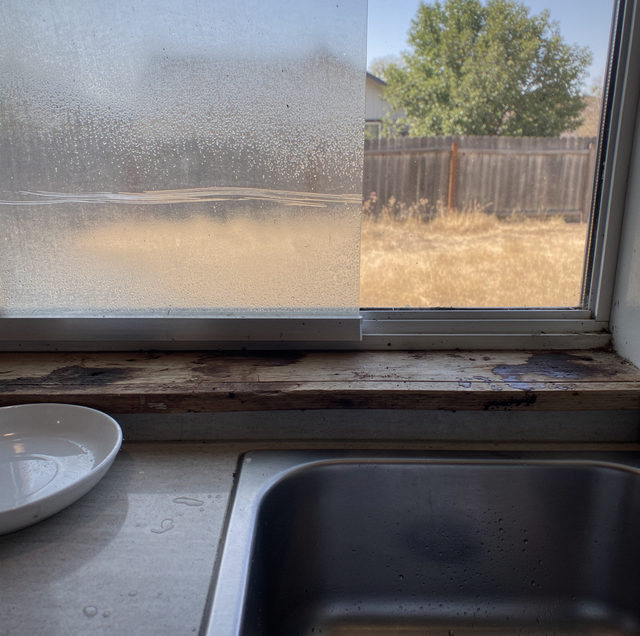
Single-Pane Windows: The Signs It's Finally Time to Replace Them
You are standing at the kitchen sink on a cold morning, and before you even look up, you feel it: a thin sheet of cold air sliding off the glass and pooling around your feet.
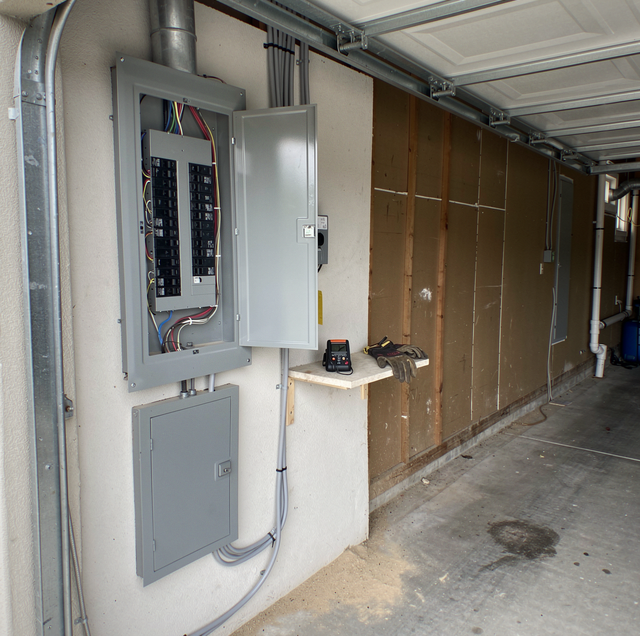
Is an ADU Right for Your Property? Here's How to Tell
A detached garage sits at the back of a quarter-acre lot, holding a lawnmower, a few bikes, and a car that hasn't moved since last winter.
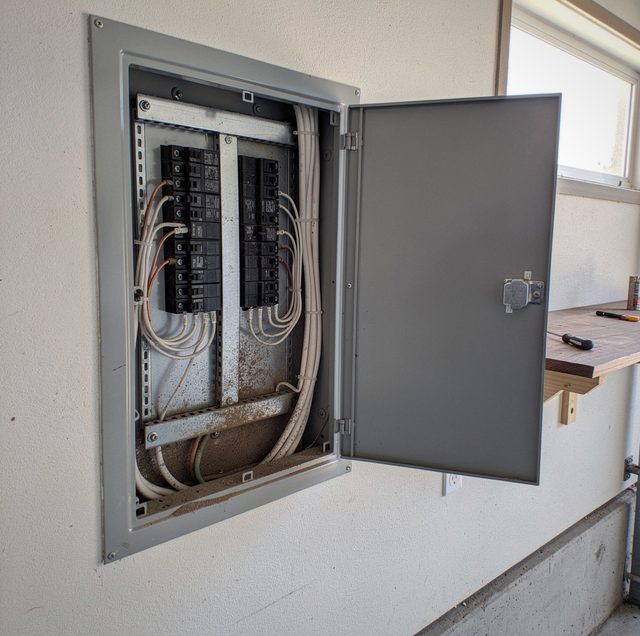
7 Warning Signs Your Electrical Panel Is Outdated
You open the metal door on the side of the garage or the closet under the stairs, and there it is: a grid of switches, some labeled in handwriting you don't recognize, one or two unmarked, and a faint smell of warm dust when the door swings open.
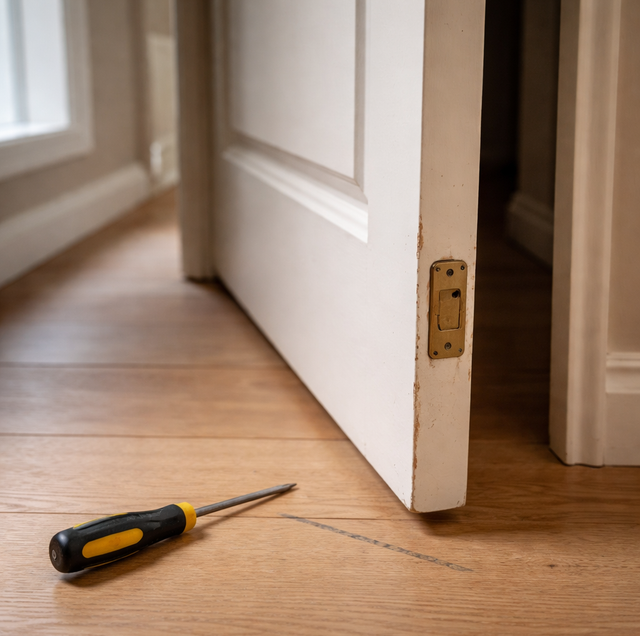
Sticking Interior Door? 5 Causes and the Fixes That Last
A door that used to swing shut with a light push now needs a shoulder, or it drags a rut into the paint on the way past.
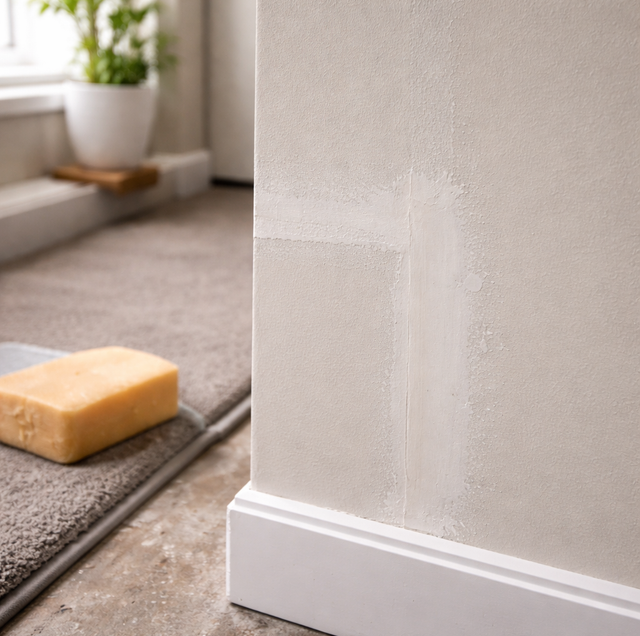
Why Drywall Cracks Keep Coming Back: 5 Real Causes
You filled the crack, sanded it smooth, painted over it, and felt done. A few months later, a thin line reappears in the same spot.
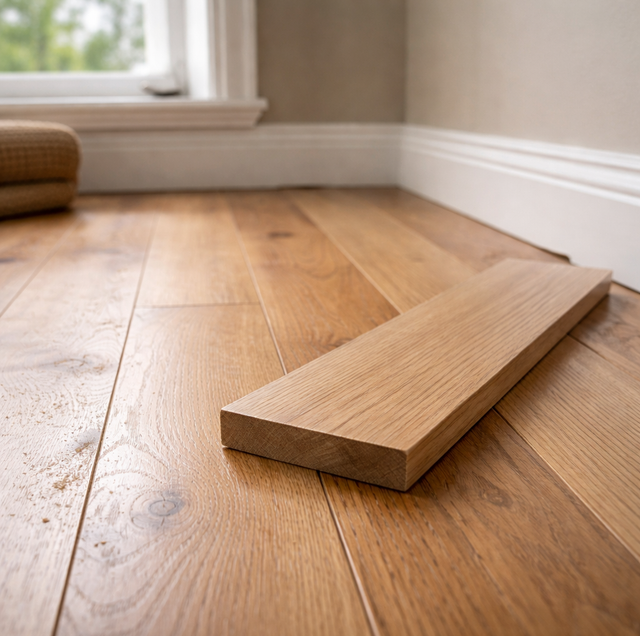
Hardwood vs. Engineered Wood Flooring: 6 Factors That Decide
Both floors can look identical once installed, which is exactly why the choice trips people up.
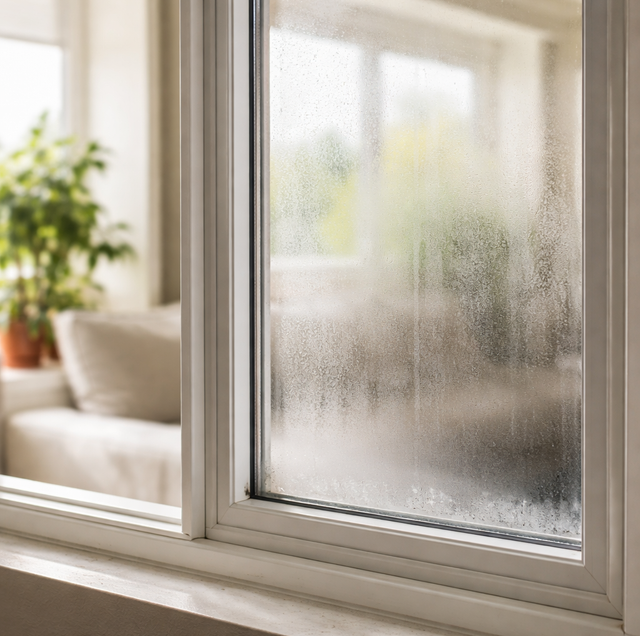
Foggy Windows Between the Panes: What the Haze Really Means
You reach for a cloth, wipe the glass, and the haze stays put. Wiping the inside does nothing either.
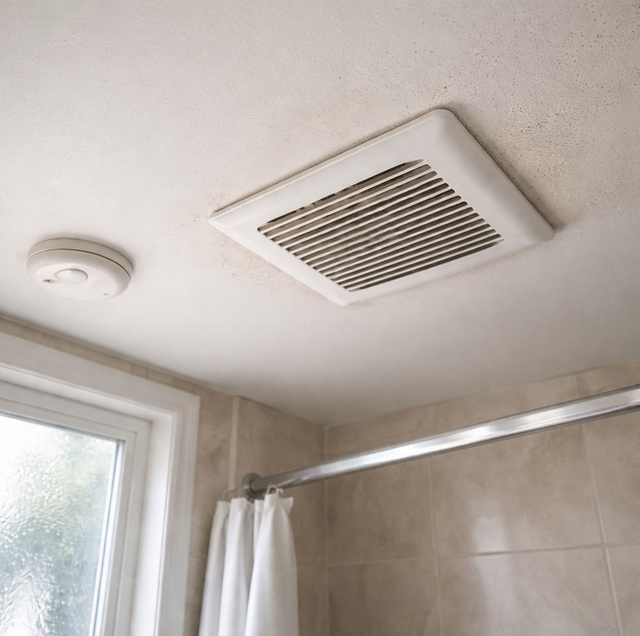
Bathroom Fan Not Clearing Steam? 7 Fixes That Work
The fan hums, the mirror still fogs, and beads of water sit on the walls twenty minutes after you towel off.
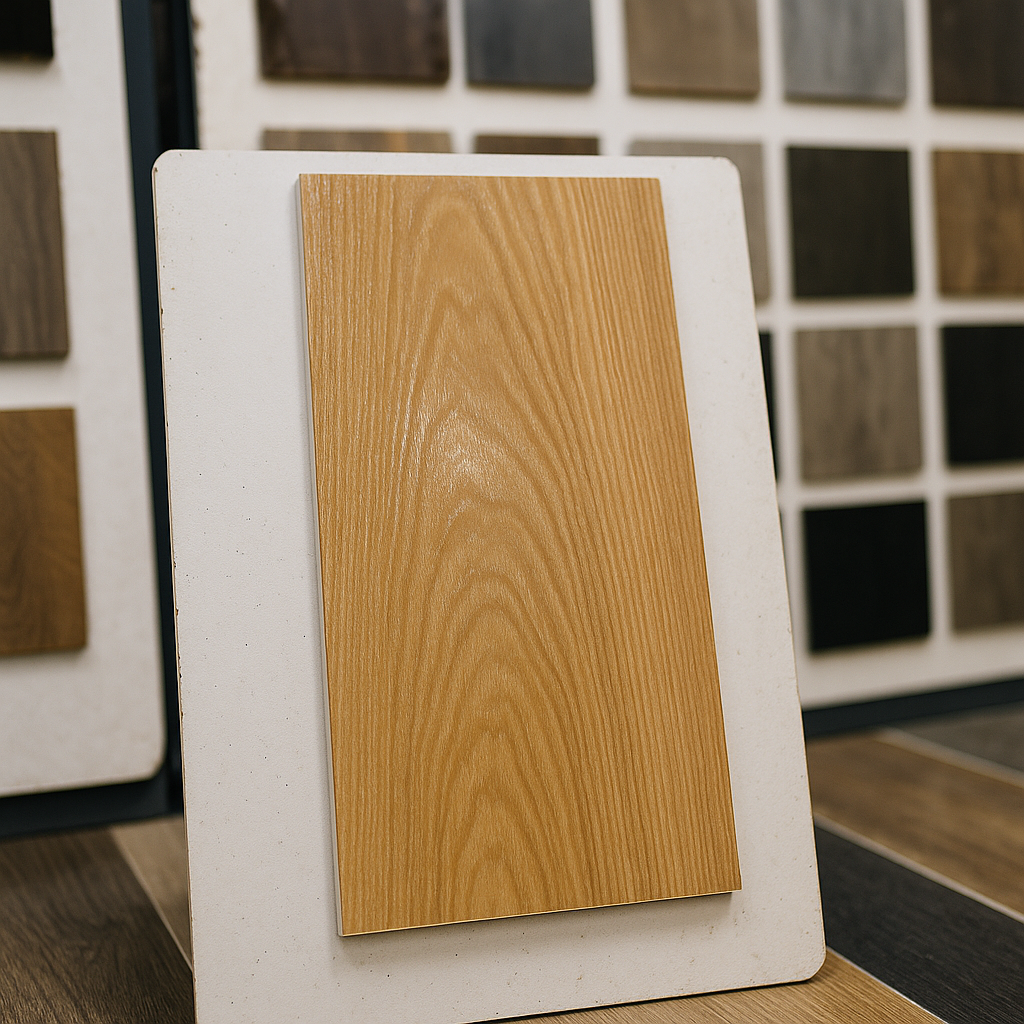
Vinyl Plank vs Laminate: Which Survives Water?
You are standing in a flooring showroom holding two planks that look nearly identical. Both show convincing wood grain. Both click together the same way. Both get sold as durable, family-friendly floors. Then someone asks the question that actually decides most kitchens, bathrooms, and laundry rooms: which one handles water? That is where these two products stop being cousins and become opposites, and it comes down entirely to what lies beneath the printed surface.
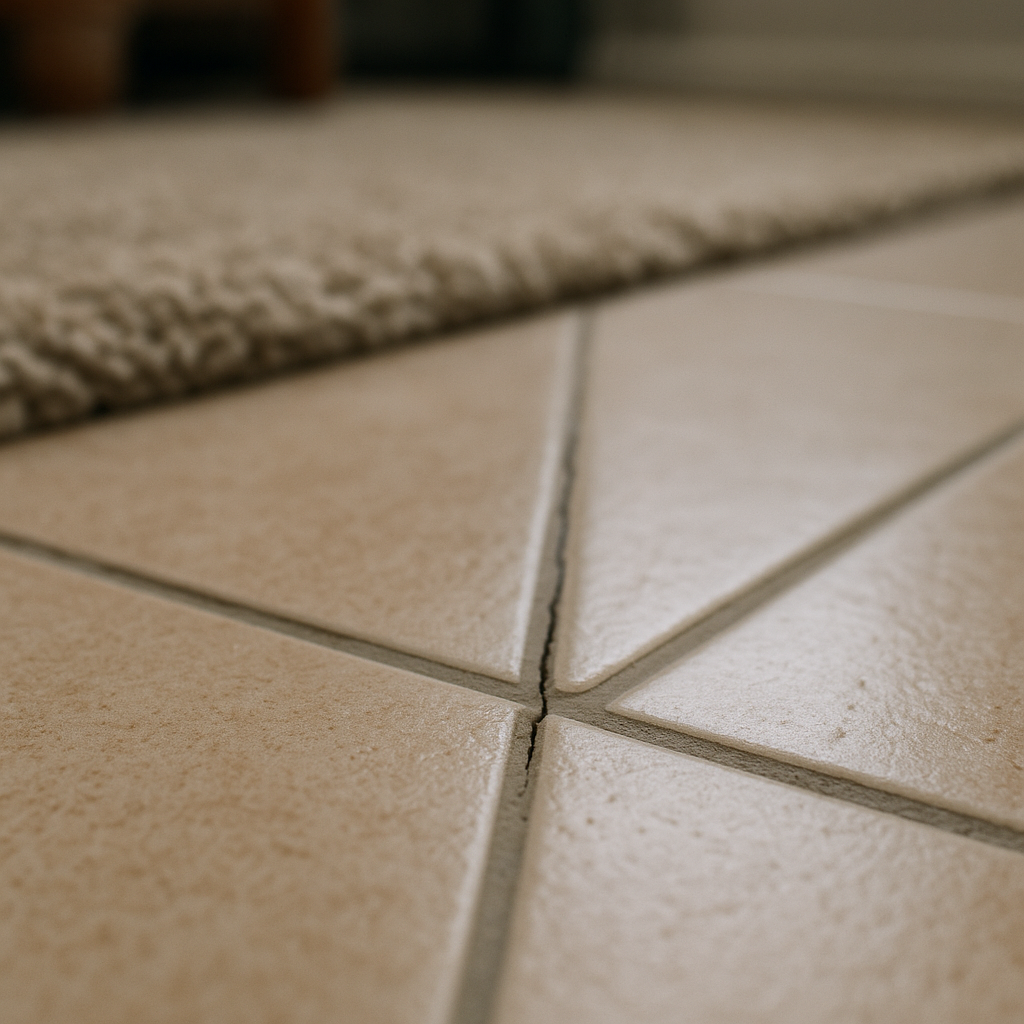
Why Tile Grout Cracks: What Your Floor Is Really Saying
Grout is rigid. Once it cures, it does not flex, and it was never meant to. So when a grout line cracks, something under the tile moved, and the grout, having nowhere to give, splits to relieve the stress. The crack is a symptom. The cause almost always lives below the tile, in the subfloor or the substrate the tile was set over. Reading the crack correctly is the difference between a repair that lasts and one that fails on the same line by next season.
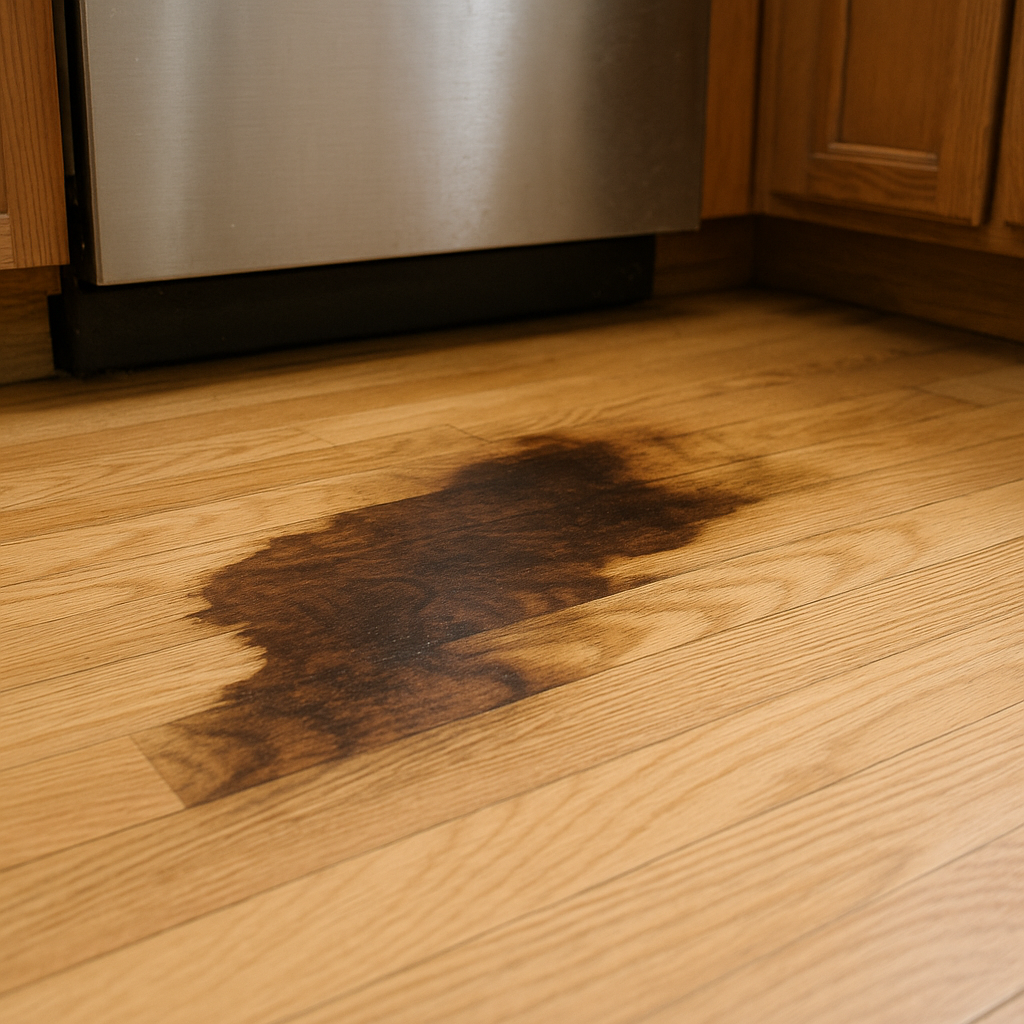
When to Repair Flooring vs Replace It Entirely
You are standing over a stretch of floor that has seen better days, a water stain spreading near the dishwasher, a few gouged boards by the door, and a soft spot that gives a little underfoot. The question is whether you patch the problem or tear it all out and start over, and the honest answer depends less on how it looks and more on what is happening underneath.
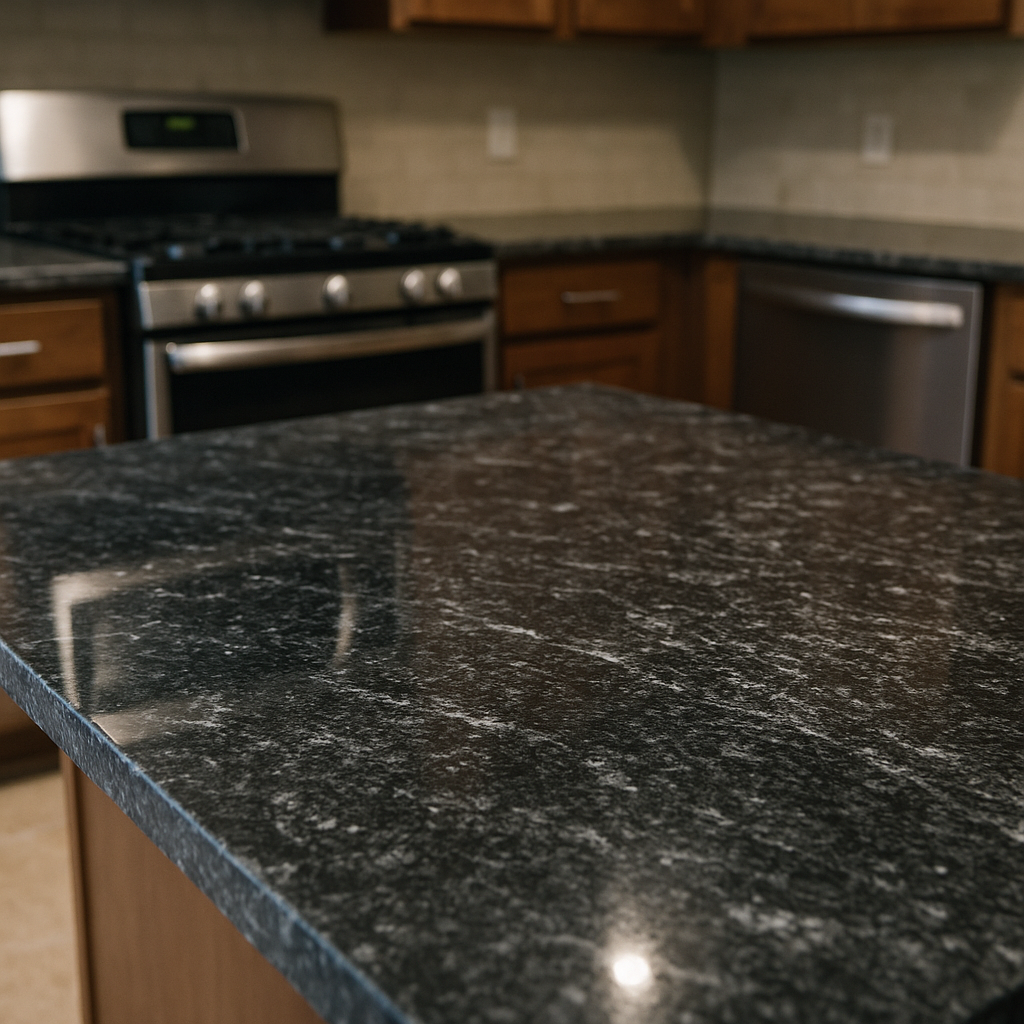
Quartz vs Granite Countertops: 5 Factors That Decide It
Quartz and granite sit at the top of most kitchen counter shortlists, and they get compared as if they were two flavors of the same thing. They are not. One is a slab of rock cut straight from the earth. The other is manufactured, ground stone held together with resin. That single difference in how each surface is made drives almost every practical choice you will weigh: whether you need to seal it, whether a hot pot can damage it, and whether the piece in the showroom will look like the one in your kitchen. Understand the material first, and the "which is better" question mostly answers itself based on how you cook, clean, and live.
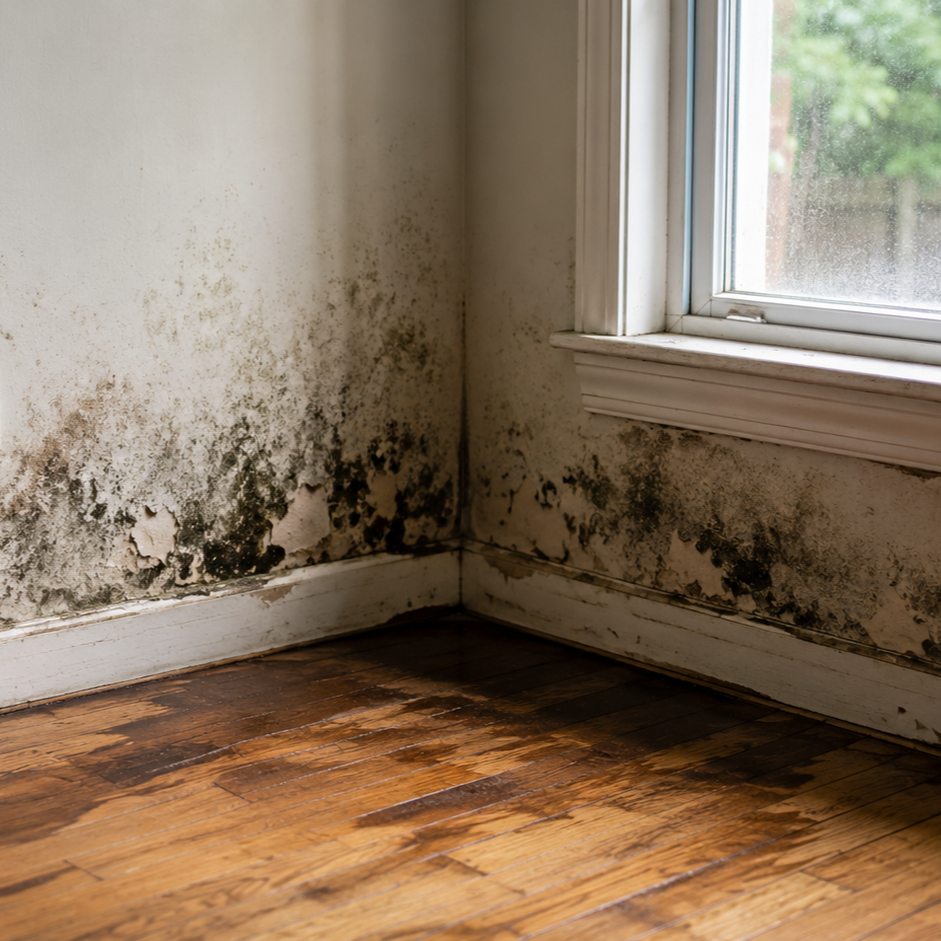
Musty Smell in Just One Room? What It Usually Means
That damp, earthy, "old basement" smell in a single room is one of the more useful warnings a house gives you, because it's specific. When the odor is confined to one room rather than the whole house, it points you to a localized moisture problem right there. The musty smell itself is the byproduct of mold or mildew growing, and mold only grows where there's moisture — so the smell is really telling you to go find the water.
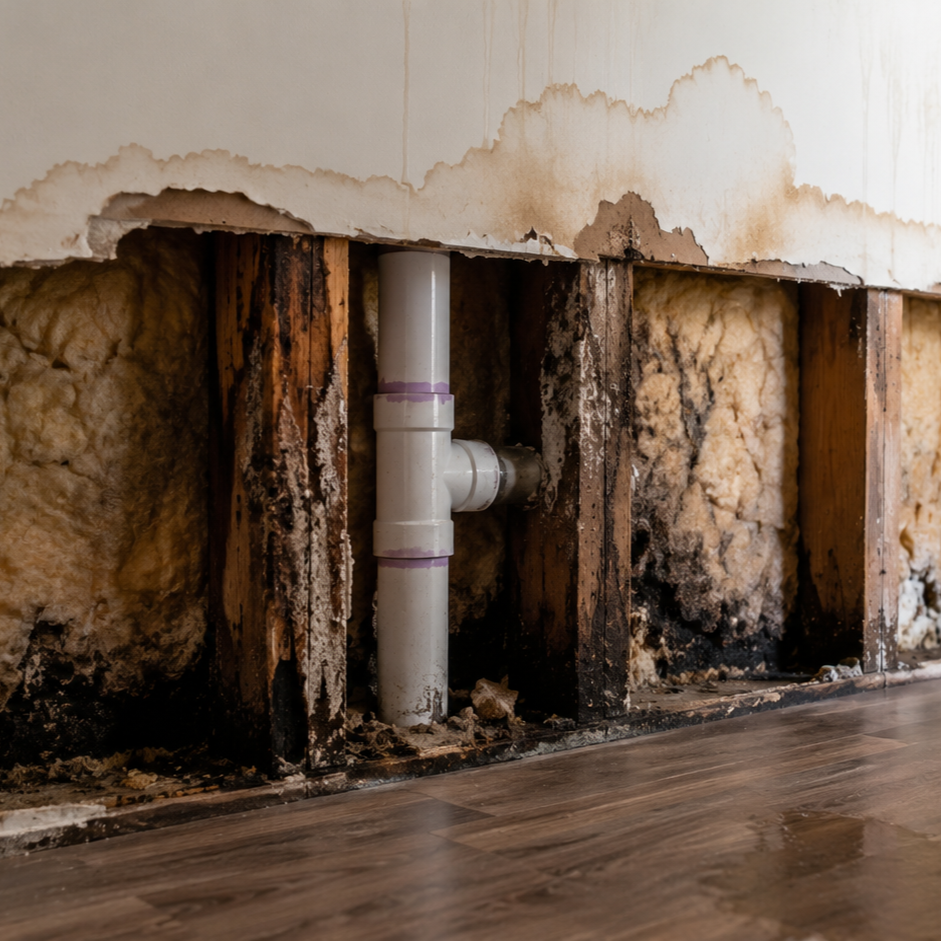
Water Behind Your Walls? Warning Signs to Catch Early
The trouble with a leak behind a wall is that the wall hides it. By the time water shows on the surface, it has usually been working inside the cavity for a while — soaking insulation, dampening framing, and feeding mold where you can't see it. Learning to read the early signs lets you find hidden water intrusion before it turns into a much larger repair.
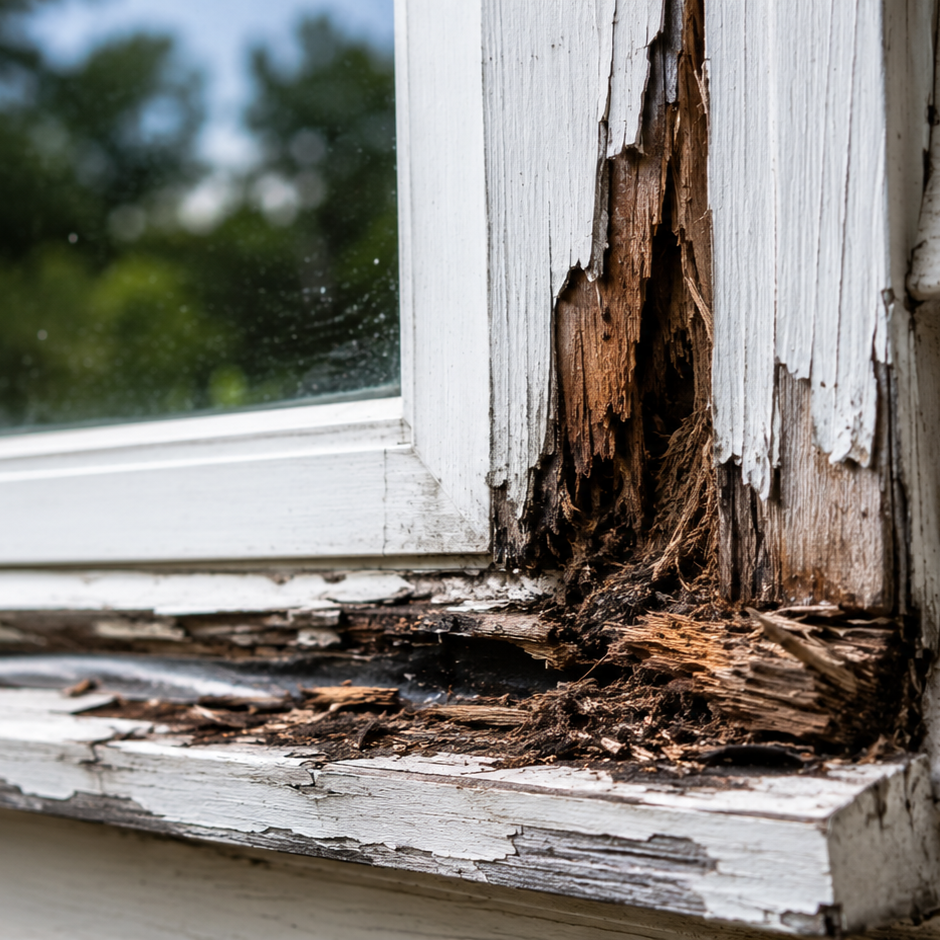
Soft, Spongy Wood Around Windows? What It’s Telling You
You go to clean a window or open it, press the frame, and your finger sinks into wood that should be solid. Soft, spongy wood around a window is never just cosmetic — it's the visible end of a water problem that has been quietly rotting the structure. Understanding what it's telling you helps you act before the damage spreads further than the spot you found.
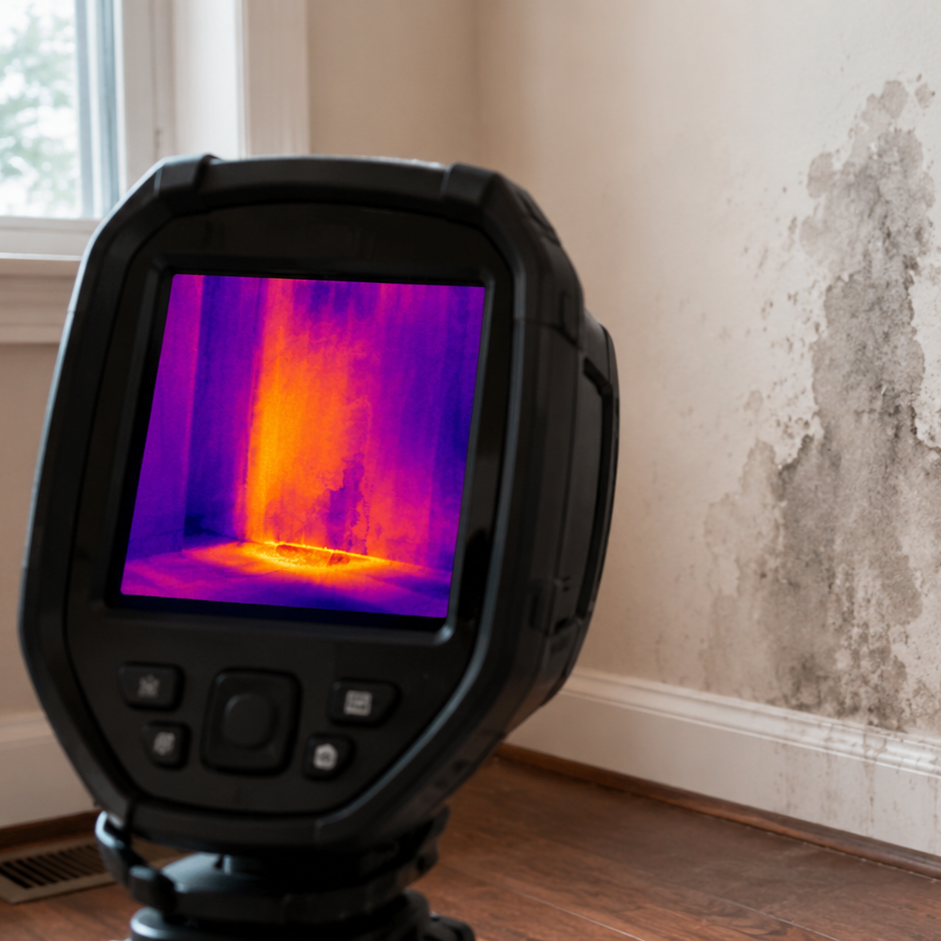
How Thermal Imaging Finds Hidden Leaks Without Opening Walls
Finding a leak inside a wall used to mean cutting holes and hoping you guessed right. Thermal imaging changed that. By reading the heat signature of a surface, a technician can locate hidden moisture without opening the wall at all — and that means repairs go straight to the problem instead of leaving a trail of exploratory holes.
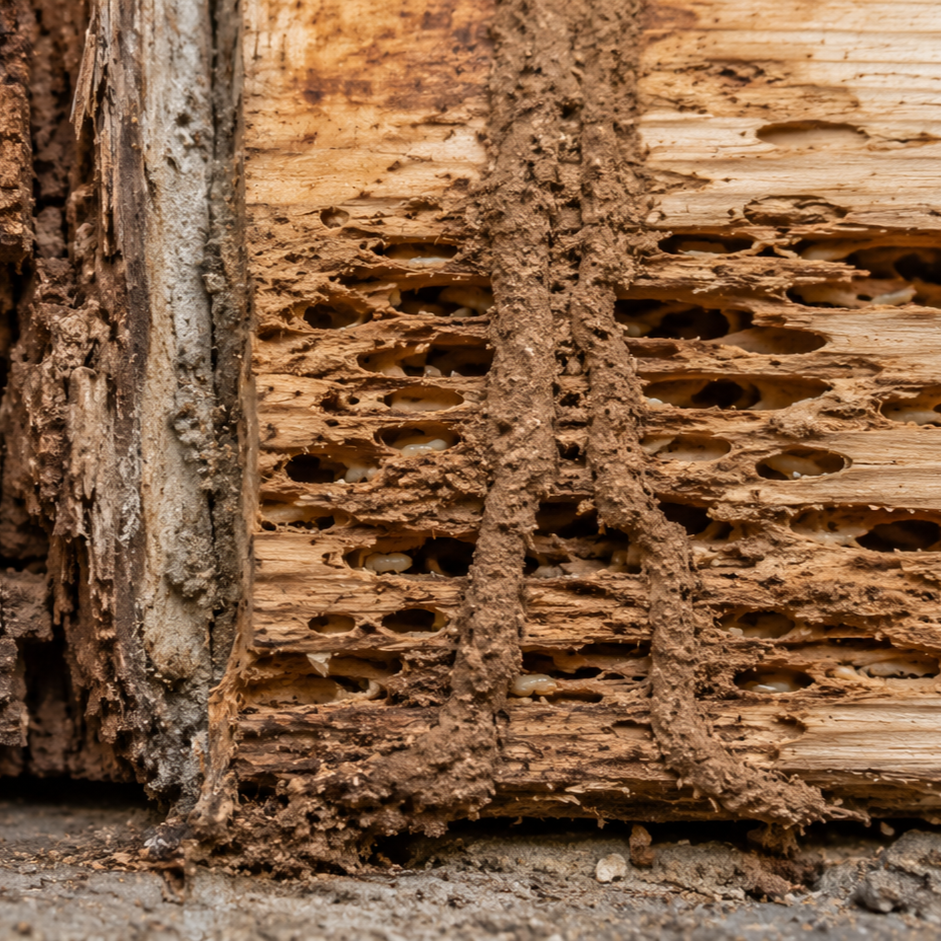
Dry Rot vs. Termite Damage: How to Tell Which You Have
You press a screwdriver into a board near the foundation, and it sinks in as if the wood were cardboard. Something has been quietly eating your house — but what? Dry rot and termite damage both turn solid lumber into something soft and failing, and homeowners mix them up constantly. They call for completely different fixes, though, so telling them apart is the first real step. The good news is that each leaves clues you can learn to read.

Bringing Light and Fresh Air Into Your Home
Whether you're renovating your entire home or just looking to improve a single room, the right windows and doors can completely change the ambiance of your space.

Designing Spaces That Work for You
Clever layout choices bring structure to chaos, personality to blank walls, and comfort to everyday moments.