
Warning Signs Your Roof Needs Attention Before the Rainy Season
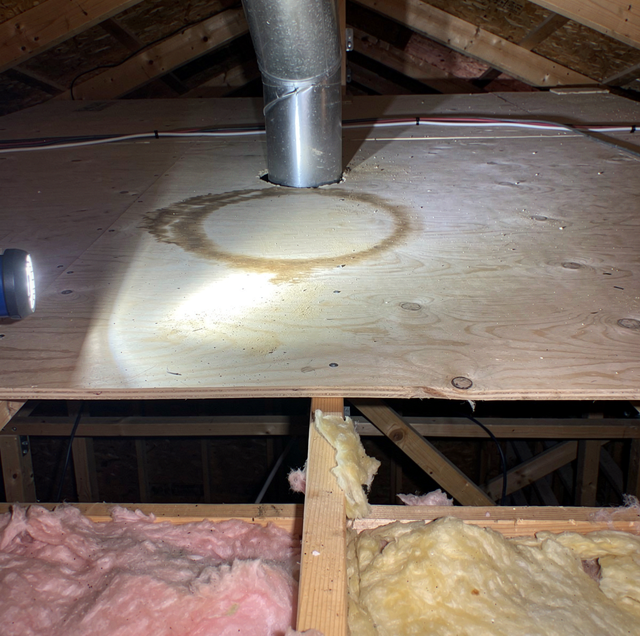
You climb into the attic to grab a box of holiday decorations and your flashlight catches a brown ring on the plywood near the chimney. It is dry today, so you tell yourself it is old, probably from years ago, and close the hatch. Then the first real storm rolls through, and that same spot turns dark and soft again. The roof was trying to tell you something weeks before the rain proved it right.
A roof rarely fails all at once. It gives off small, quiet signals first: a curled shingle edge, a gritty buildup at the bottom of a downspout, a faint stain that was not there last year. Catching those signals in the dry weeks before the wet season starts is the difference between a patch job on a Saturday morning and a ceiling repair after a storm has already found its way in. Here is what to look for while the weather still gives you room to act.
Missing Or Curled Shingles Mean Water Already Has A Path Inside
Asphalt shingles are built to lie flat and overlap in a shingled pattern that sheds water downhill, layer over layer. Heat and UV exposure over the years dry out the asphalt and the mat underneath it, and the edges start to curl upward, or the corners lift. A shingle that has curled even slightly no longer sheds water the way it should. Instead of running off, wind-driven rain can get up and under that lifted edge and travel sideways along the deck.
Walk the perimeter of your house and look up at the roof plane from a few different angles, since curling often catches the light differently depending on where the sun is. Look for shingles that appear darker or shinier in patches, which can mean the surface granules have worn away and the black asphalt underneath is exposed. A shingle entirely missing, whether from wind or age, is the clearest version of this problem: that spot has no shingle doing its job at all, just the felt or synthetic underlayment standing between your attic and the sky. None of these are cosmetic. Each one is a spot where the first heavy rain of the season finds the shortest route inside.
Granule Loss Shows Up In The Gutters Before It Shows Up On The Roof
Asphalt shingles are coated with small mineral granules that protect the asphalt layer from UV breakdown and give the roof its color. As shingles age, those granules loosen and wash off with every rain, and a summer of intense sun accelerates the process by drying and cracking the asphalt underneath, which releases granules faster than normal weathering would.
You often spot this before you ever look at the roof itself. Check your gutters and the ground below your downspouts for a buildup of dark, sandy grit, especially after the first light rain of the year. A small amount is normal on any asphalt roof and does not mean trouble. A heavy, consistent buildup, especially paired with shingles that look thin, faded, or blotchy from the ground, points to a roof that has lost enough of its protective coating to be more vulnerable than it looks from the street. Granule loss does not cause a leak on its own, but it is a reliable early marker of how much life remains in the covering before the more serious signs appear.
Flashing Gaps Are Where Small Leaks Actually Start
Shingles cover the broad, flat planes of a roof, but flashing does the harder job of sealing every place where the roof changes shape: around a chimney, along a wall where a lower roof meets siding, in the valleys where two roof planes meet, and around any vent pipe or skylight. Flashing is usually thin metal, sealed with roofing cement or a rubber boot, and both materials move at different rates than the roof structure around them as temperatures swing through the year. Over time, sealant dries out and cracks, metal edges lift slightly, and small gaps open at exactly the points where water naturally concentrates.
Look closely at any chimney, skylight, or roof-to-wall joint you can see from a ladder or from the ground with binoculars. Cracked or missing sealant, rusted or lifted metal edges, and pipe boots that have gone stiff and split at the base are all signs that a joint no longer sheds water the way it was built to. These spots rarely show a dramatic failure. Instead, they let in a small, steady trickle during every storm, which is exactly why flashing problems tend to show up as staining somewhere else entirely rather than as an obvious hole where you are looking.
Attic Staining Reveals Leaks You Cannot See From The Ground
The attic is where a slow leak leaves its clearest evidence, because water travels along the underside of the roof deck and rafters before it ever reaches a ceiling below. A brown or yellow ring on the plywood, dark streaking along a rafter, or a patch of insulation that looks matted and darker than the surrounding material are all signs that water has been getting in, even if the stain itself feels dry to the touch right now.
Bring a flashlight into the attic on a dry day and check the areas around the chimney, any vent pipes, and the valleys where roof planes meet, since those are the same spots flagged in the flashing check above and leaks often travel from there. Also look for any daylight visible through the roof deck, which is a direct sign of a gap large enough to let light and water both through. A dry-looking stain does not mean the problem solved itself. It usually means the last leak has dried since the last rain, and the same spot is ready to darken again with the next one unless something changes before then.
Sagging Areas Point To Structural Trouble, Not Just Surface Wear
Most of what shows up on a roof inspection is surface-level wear that affects how well the covering sheds water. A sag is different. Standing back from the house and sighting along the roofline, a ridge should read as a straight line, and each slope should read as a flat, even plane. A dip, a wave, or a low spot that holds its shape rather than being a trick of the light suggests the decking or the framing underneath has weakened, often from water that has been getting into the same spot for a long time without being addressed.
A sag is also where two problems compound. A low spot collects and holds water rather than shedding it, which keeps that section wetter for longer after every storm and speeds up the very deterioration that caused the sag in the first place. Because it involves the roof's structure rather than just the shingles on top, a sagging area is one of the few signs on this list that are worth having looked at directly rather than watching and waiting through another wet season.
Clogged Gutters And Downspouts Turn A Sound Roof Into A Wet One
A roof can be in reasonably good shape and still take on water damage if the gutters and downspouts feeding off it are not doing their job. Leaves, roof grit, and debris build up over a dry season and settle into the low points of a gutter run, and by the time the first real storm hits, water has nowhere to go but over the edge and down the fascia board behind it. That constant edge overflow saturates the wood trim, the soffit, and eventually the roof deck at the perimeter, which is a different failure path than a leak in the field of the roof but produces the same rot and staining over time.
Clear gutters and downspouts before the season's first heavy rain, and while you are up there, check that hangers are still secure and that no section has pulled away from the fascia. A gutter sagging away from the roofline, even slightly, will not carry water where it is supposed to go, and every storm afterward reinforces the same overflow pattern until the fascia and the roof edge underneath it start to soften.
When A Look From The Ground Is Not Enough
Binoculars, a ladder against a first-floor eave, and an attic flashlight will surface most of what matters, and doing that walk-through once a year before the wet season starts catches most problems while they are still cheap fixes rather than emergencies. But a few situations call for a closer, hands-on look: a roof older than its expected service life, a home that has had leaks before, any area you cannot safely see from the ground or a stable ladder, and any sign from this list that shows up in more than one spot at once. Multiple warning signs together usually mean the roof's overall condition has declined further than any single sign would suggest on its own, and a trained eye walking the actual roof surface will catch problems that binoculars from the yard cannot.
The goal here is not to turn every homeowner into a roofer. It is to know which small signals are worth a second look before the weather turns, so a loose shingle gets a nail instead of a torn-off section, and a cracked flashing joint gets fresh sealant instead of a stained ceiling two storms later.
Frequently Asked Questions
Once a year, timed for the dry weeks before the wet season arrives, catches most developing problems while they are still small. If your roof is older, has a history of leaks, or has recently gone through a significant windstorm or heat wave, a second check partway through the dry season is worth the extra half hour.
A ground-level and attic check with binoculars and a flashlight is well within reach for most homeowners and catches most of the warning signs described above. Getting on the roof itself, especially a steep pitch, or evaluating a sag or repeated leak calls for someone trained to walk the surface safely and read what the deck and framing are actually telling them.
Not always. New shingles shed a small number of loose granules in their first year as manufacturing residue washes off, and any asphalt roof sheds some granules gradually over its lifespan. What matters is the trend: a heavy, consistent buildup that keeps growing, especially alongside shingles that look thin or patchy, is the combination worth acting on rather than a one-time observation.
A dry stain does not mean active water intrusion at that exact moment, but it almost always means water has reached that spot before and will likely reach it again with the next heavy rain, since whatever let it in the first time has not been fixed. Treat a dry stain as a marker of where to look first, not as evidence the issue resolved itself.
Age-related unevenness tends to be subtle and consistent across the entire slope, often the result of decades of minor settling. A true sag is a distinct dip or wave that breaks the straight line of a ridge or the flat plane of a slope in a specific area, and it usually indicates weakened decking or framing rather than general wear. Sighting along the roofline from a distance in good light is the easiest way to tell the two apart.
It depends on what is actually failing. If the metal itself is sound and only the sealant around it has dried and cracked, resealing with fresh roofing cement is often enough. If the metal is rusted, bent, or pulled away from the surface it should be sealed against, resealing over that damage only delays the leak rather than fixing it, and the flashing itself needs to be removed and replaced.
Schedule a pre-rainy-season roof inspection — get every shingle, flashing joint, and attic corner checked before the storms arrive. Clover Valley Home Service serves Greater Sacramento, Placer, and El Dorado counties. CSLB #1003154. Call (916) 742-3141.
