
What to Do First When a Pipe Leaks Inside a Wall
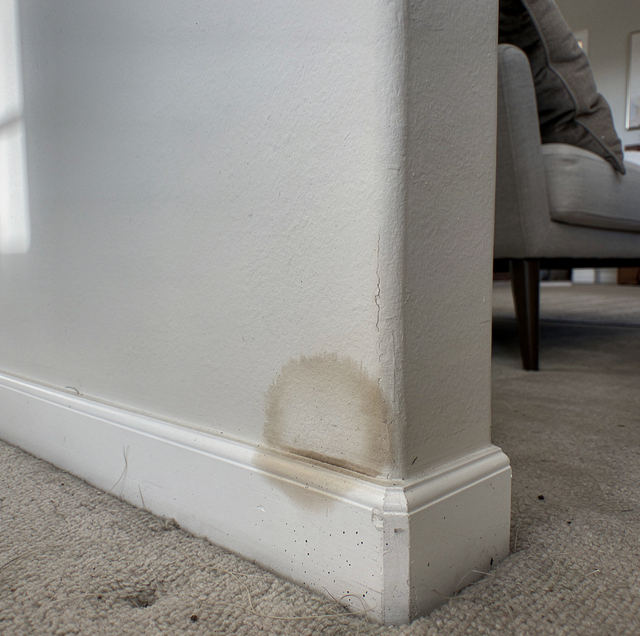
You notice it while dusting the baseboard: a soft, slightly darker patch on the drywall that wasn't there last month. It isn't dripping. Nothing is puddled on the floor. But when you press a finger against it, the paint gives just a little, and there's a faint, earthy smell in that corner of the room that wasn't there before either. Nothing about it looks urgent. That's exactly the problem. A pipe leaking inside a wall almost never announces itself with a flood on day one. It shows up first as a series of small, easy-to-explain signals, and by the time it becomes obvious, the water has usually been working on the wall, the framing, and the insulation behind it for days or weeks.
Knowing what those early signals look like, and what to do the moment you suspect one, makes the difference between a contained repair and a much larger rebuild.
Warning Signs A Pipe May Be Leaking Behind The Wall
A hidden leak leaves clues on the surface long before it becomes visible as running water. The most common is a damp or discolored patch on drywall or plaster, often tan, yellow, or a dull gray-brown, that seems to appear out of nowhere and slowly spreads or darkens over a few days. It may feel cool or slightly soft to the touch even when the surrounding wall feels normal and dry.
Peeling paint or bubbling, and lifting wallpaper, are other early tells. Paint and wallpaper adhesive rely on a dry substrate to stay put, and moisture working through drywall from behind breaks that bond from the inside out, so the surface lifts even though nothing has touched it from the front. A musty or earthy smell is often the first sign someone notices before any visual change at all, since damp drywall, wet insulation, and wood framing all give off that smell well before a stain becomes visible.
A water bill that jumps without an obvious reason- no new appliance, no extra houseguests, no change in habits- deserves a second look. A pipe leaking continuously behind a wall can run steadily for days, and that loss shows up on a bill before it shows up anywhere visible. A hissing or faint trickling sound coming from inside a wall, especially near a supply line, is one of the more direct signs available, since it means water is actively moving somewhere it shouldn't, even before any dampness reaches the surface.
Any one of these signs on its own is worth a closer look. Two or more together, especially a damp patch paired with a smell or a rising bill, are a strong signal that water is already active inside that wall cavity.
The First Steps To Take The Moment You Suspect A Leak
The very first move, before anything else, is to shut off the water. If you can identify which fixture or line is likely involved, such as a sink, a washing machine connection, or a bathroom wall, use that fixture's dedicated shutoff valve if it has one. If you're unsure which line is affected, or the suspected leak is on a main supply line rather than a branch to one fixture, shut off the water at the main shutoff valve for the whole house instead. Stopping the flow of water is the single most effective thing you can do in the first few minutes.
Resist the urge to cut into the wall yourself to see what's happening. Opening drywall without knowing exactly where the pipe runs risks turning a contained leak into an active flood, or damaging the pipe further if a saw or utility knife catches it. The one exception is active, visible flooding already pouring into the room faster than towels and buckets can manage; in that specific case, a small controlled opening can relieve pressure and prevent worse damage to flooring and framing below. Outside that scenario, leave the wall alone until the water is off and someone can properly locate the leak.
While the water is shut off, move furniture, rugs, electronics, and anything stored against the affected wall a few feet back. Wet drywall and baseboards can transfer moisture to anything touching them, and clearing the space also gives whoever assesses the damage better access to the wall. If water has already reached the floor, soak it up with towels or a wet vacuum rather than letting it sit, since standing water speeds up damage to flooring and baseboards on top of whatever is already happening inside the wall cavity.
Why Acting Quickly Actually Matters
The urgency here isn't about drama. It's about how fast the underlying damage compounds once water is sitting inside a wall. Mold doesn't need days to get started; given moisture, warmth, and an organic surface like drywall paper or wood framing, mold growth can begin within roughly 24 to 48 hours. Once it takes hold inside a wall cavity, it spreads along framing and insulation in a way that's far harder to address than catching the moisture before growth starts.
The structural side compounds just as quickly. Drywall loses its strength when it's saturated, and wood framing that stays wet for an extended stretch starts to swell, warp, and eventually decay. Water-soaked insulation loses most of its effectiveness and typically needs to be replaced rather than dried out and reused. None of this happens the moment water touches the wall. It happens the longer that water is allowed to sit there unaddressed, which is exactly why the gap between noticing the first sign and shutting off the water matters more than most homeowners assume.
There's also a compounding cost angle worth understanding, separate from any dollar figure: a leak caught at the damp-patch stage usually means drying out one section of drywall and insulation. The same leak left for a couple of extra weeks can mean replacing a wider section of the wall, dealing with mold remediation, and repairing swollen or softened framing. The size of the eventual repair tracks closely with how long the water had to work before someone addressed it.
How A Plumber Finds And Reaches A Hidden Leak
Once the water is off and the immediate risk is contained, the next job is to figure out exactly where the leak is and how to reach it without unnecessarily tearing the wall apart. This is where leak detection equipment earns its keep. Acoustic listening devices can pick up the faint sound of water moving or dripping inside a pipe and help narrow down a section of wall rather than guessing across an entire room. Moisture meters measure the actual water content of drywall, baseboards, and flooring, mapping how far the water has traveled versus where the stain is visible, since water often travels down and sideways along framing before it ever surfaces as a stain. Thermal imaging cameras can also spot temperature differences caused by damp material behind a finished wall, adding another way to confirm a location before any cutting starts.
With a location narrowed down, the goal is almost always to access the pipe with as little disruption as possible. Rather than removing an entire wall section, a plumber typically cuts a small, precise access opening sized to the actual repair, sometimes through an existing access point like a cabinet back or a spot behind a fixture that's easier to patch afterward. In some cases, especially with an isolated fitting or joint, a leak can be reached and repaired through a single opening barely larger than what's needed to get tools and hands on the pipe. The combination of detection equipment and a targeted access approach is what keeps a hidden leak from turning into a full wall demolition project.
What Repair And Wall Restoration Typically Involve
Once the leak location is confirmed, the actual plumbing repair depends on what's wrong: a cracked or corroded section of pipe, a failed joint or fitting, or a pinhole leak from age and mineral buildup inside the line. Depending on the type of pipe and the extent of the damage, the fix might mean replacing a short section of pipe, resealing or replacing a fitting, or in some cases replacing a longer run if the surrounding pipe shows the same wear that caused the original failure.
After the plumbing itself is repaired, attention turns to everything the water touched. Any drywall, insulation, or baseboard that stayed wet long enough to be compromised is removed rather than dried in place, since saturated material rarely returns to its original strength and can retain moisture that feeds mold growth later. Drying equipment, fans, and dehumidifiers are often used on the surrounding area to bring humidity levels back down before any new material goes in, which helps prevent the same section from becoming a mold risk down the line. Once everything is confirmed dry, new insulation goes in where needed, followed by drywall patching, taping, texture matching, and paint to bring the wall back to its original look. A well-handled repair often leaves the wall visually indistinguishable from the rest of the room, with the actual damage limited to the section that needed attention rather than the whole surface.
Keeping A Suspected Hidden Leak From Getting Worse
A pipe leaking inside a wall is rarely a mystery once you know what to look for, and it's rarely an emergency requiring major repairs if it's caught early. The pattern that keeps damage contained is consistent: notice the early signs, shut off the water, leave the wall itself alone unless active flooding demands otherwise, and get someone with the right equipment to find and reach the leak with minimal cutting. Waiting past that point is what turns a manageable repair into a much bigger one.
Frequently Asked Questions
Normal humidity tends to affect a broader area evenly and often clears up once airflow or ventilation improves. A pipe leak usually shows up as a localized patch that keeps darkening or spreading over days rather than fluctuating with the weather, and it's more likely to be accompanied by a musty smell, a sound from inside the wall, or a rising water bill.
If you've shut off the water at the specific fixture or line involved and the leak is isolated to that branch, the rest of the house's plumbing can typically keep running as normal. If you shut off the main because the source wasn't clear, water use across the house will be paused until the leak is located and the appropriate valve can be reopened safely.
Not every fixture has its own dedicated shutoff valve, particularly in older homes. If you can't locate one quickly, shutting off the main valve for the house is the safer default rather than spending time searching while water continues to leak.
Fans and improved airflow can help slow mold growth in the first hours after a leak, but they don't replace the need to assess how deeply the moisture actually traveled. Drywall paper, insulation, and framing can hold moisture well after the surface feels dry to the touch, so a moisture reading rather than a visual check is what actually confirms whether the area is safe to close back up.
Yes, in terms of how it should be handled, even though it looks far less dramatic in the moment. A slow leak causes the same mold and structural risks as a fast one; it just takes longer to reach the same outcome. The lack of visible urgency is actually part of what makes slow leaks more damaging over time, since they often go unaddressed far longer than an obvious burst would.
A properly repaired section of pipe shouldn't fail again on its own, but if the original leak was caused by a broader issue, such as widespread corrosion, old fittings, or hard water mineral buildup throughout the plumbing system, nearby sections of pipe may be at similar risk. That's part of why a plumber assessing a hidden leak often looks at the condition of the surrounding pipe run, not just the exact point that failed.
Schedule a hidden leak inspection — get the source located and repaired with minimal damage to your walls. Clover Valley Home Service serves Greater Sacramento, Placer, and El Dorado counties. CSLB #1003154. Call (916) 742-3141.
