
Single-Pane Windows: The Signs It's Finally Time to Replace Them
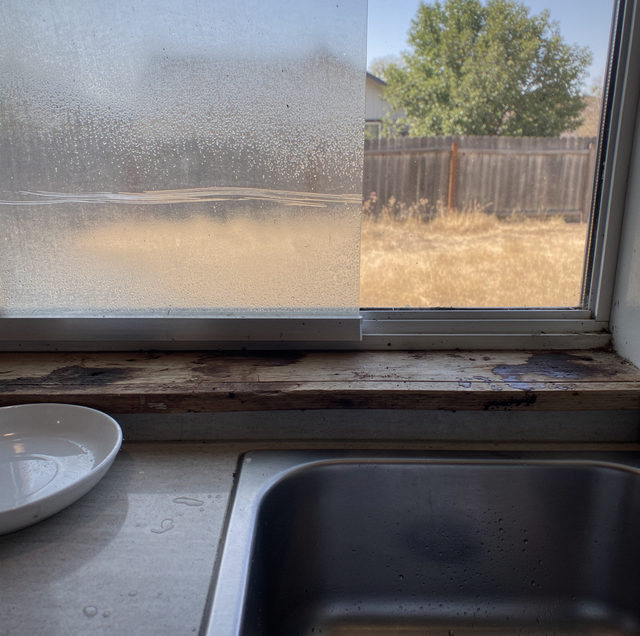
You are standing at the kitchen sink on a cold morning, and before you even look up, you feel it: a thin sheet of cold air sliding off the glass and pooling around your feet. When you do look, the inside of the window is filmed with condensation, fat droplets already tracking down toward the sill and darkening the wood underneath. You wipe it with a dish towel. By the time breakfast is done, it's fogged again.
That's a different problem than a hazy double-pane window with fog trapped between two sheets of glass. Here there's only one pane, and the moisture is sitting right on the surface you can touch, on the room side, because that's the only surface there is. Recognizing what single-pane glass is actually doing, and why it behaves so differently from a modern insulated window, is the first step in deciding whether your window still has useful life left or whether it's telling you something more final.
Why Single-Pane Glass Behaves So Differently
A modern insulated window is built from two or three sheets of glass with a sealed, gas-filled gap between them. When that seal fails, moisture gets trapped inside the gap and fogs the space between the panes, a separate issue with its own warning signs.
A single-pane window has none of that. It's one sheet of glass set directly into a frame, with nothing behind it but the room's air on one side and the outdoor air on the other. There's no seal to fail because there was never a sealed cavity to begin with. Instead, that lone pane conducts heat and cold straight through, almost as fast as touching bare metal on a winter morning. When warm, humid indoor air meets that cold glass surface, the moisture in the air condenses directly on it, just as a cold glass of water sweats on a humid afternoon. No trapped gas, no spacer, no desiccant. Just glass doing exactly what a poor insulator does: matching whatever temperature is on the outside, right on the surface facing you.
That single fact reframes almost everything else about these windows. Because the glass itself has no failure point, its warning signs lie elsewhere: in the frame, the glazing that holds the pane in place, and the gap between the sash and the surrounding frame.
Condensation and Frost That Keep Coming Back
Some interior condensation on a cold morning isn't unusual for any window, single-pane or not, especially in a bathroom or kitchen where humidity runs high. What separates a normal, occasional damp patch from a real problem is frequency and severity. If the glass is wet most cold mornings regardless of the room, if frost forms on the inside of the pane in winter, or if water is pooling on the sill and staining the wood below, the glass is telling you it can no longer keep pace with the temperature difference between your living space and the outdoors.
This matters beyond appearance. Water sitting on a wood sill day after day softens wood and invites decay. A window that fogs constantly is asking for attention before that moisture works into the frame.
A Draft You Can Feel From Across the Room
Stand near an aging single-pane window on a windy day, and you'll often feel moving air, not just cold glass. That draft usually isn't coming through the glass itself; it's slipping around it, through gaps where the sash meets the frame, around loose or missing weatherstripping, or through a frame that has warped enough to leave a visible sliver of daylight at the corner.
Wood and metal frames both move with temperature. Big swings between a hot afternoon and a cool night, repeated across years, expand and contract the frame material over and over. Wood can shrink and twist; older aluminum frames can loosen at the joints. Either way, the result is the same: gaps that let air pass freely, defeating the point of having a window there at all. A draft you can feel with your hand a foot from the glass is a frame-and-seal problem, not something a squeegee or a fresh bead of caulk on the inside trim will solve for long.
Glazing Putty That's Cracked, Chalky, or Missing
Older single-pane wood windows hold their glass in place with glazing putty, a firm, puttied compound pressed into the wood rabbet around the pane's edge and shaped into a beveled seal. When it's intact, it does two jobs at once: holding the glass mechanically and keeping wind and rain out of that edge.
Sun exposure is hard on this material. Direct UV exposure over years bakes the oils out of old glazing compound, and repeated heating and cooling doesn't help. What starts pliable turns chalky, shrinks away from the glass, then cracks into lines you can see just by walking up to the window. It's a little like a rubber band left on a sunny sill: soft and stretchy at first, then brittle, then it just gives up and splits. Once putty starts falling away in pieces, or panes have felt loose enough to rattle, that pane has lost part of what was holding it in place and keeping weather out of the joint.
Small cracked sections on an otherwise sound frame can sometimes be reglazed. Putty failing on most of a house's original windows, especially when paired with frame issues, points to something bigger than a touch-up.
A Sash That Sticks, Rattles, or Won't Stay Up
Run your hand along the sash and check how it moves. Does it slide smoothly, latch fully, and hold its position when raised? Or does it stick, rattle in a light breeze, or drift down because the weights or spring balance have worn out, or the wood has swollen enough to bind?
A sash that won't stay open on its own, or one you have to prop with a stick, has moved past a cosmetic issue. It means the mechanism that holds it in position, whether that's an old rope-and-pulley counterweight or a spring balance, has failed, or the wood around it has swelled and warped enough to change how the whole unit fits together. Rattling in wind points to slack between the sash and the frame that's wide enough to let air move, on top of whatever gaps already exist at the weatherstripping.
One Room That's Always Colder (or Hotter)
Every home has a room that runs its own temperature: the one that's stuffy in summer, chilly in winter, and never quite matches the thermostat setting for the rest of the house. Old single-pane windows are a common reason. Because that glass conducts heat so directly, a wall with several original single-pane windows can lose comfort noticeably faster than a wall with newer, better-insulated units, and the room around it swings further from your target temperature as a result.
If you notice a heating or cooling system running longer to keep one room comfortable, or family members reaching for a blanket or a fan in a room that shouldn't need one, that's the glass and frame working against the rest of the house rather than with it. It's not proof on its own, since airflow, insulation, and sun exposure all play a role too, but paired with visible glass and frame issues, it adds weight to the case for replacement.
Visible Cracks, Chips, and Sash Wood You Can Dent With a Fingernail
Some signs need no interpretation. A crack running across a pane, a chip deep enough to catch a fingernail, or glass that's pitted and hazy from age all point to glass that's reached the end of its service life regardless of what's happening at the frame. On the frame side, press the wood at the bottom corners of the sash and sill where water tends to collect. If it gives, feels soft, or crumbles rather than holding firm, decay has already set in, and no amount of glazing or weatherstripping fixes wood that's lost its structure.
Repair or Replace: A Quick-Reference Guide
| What you're seeing | What it usually means | Reasonable next step |
|---|---|---|
| Occasional light condensation in a humid room | Normal humidity meeting cold glass | Ventilate; watch for it worsening |
| Frequent condensation or frost, most mornings | Glass losing the battle with room humidity year-round | Have the window and room evaluated |
| Cracked or chalky glazing putty, glass loose in the sash | Old putty has dried out and lost its grip | Reglaze if the frame is sound |
| Draft felt a foot from the glass | Gaps at the sash, frame, or weatherstripping | Weatherstrip or reseal; reassess if it persists |
| Sash won't stay up, rattles, sticks | Worn hardware or a warped, swollen frame | Repair hardware; replace if frame has moved |
| Visible crack, chip, or soft/crumbling sash wood | Glass or frame has reached the end of its service life | Replacement is the realistic path |
Reading these signs together, rather than any single one in isolation, tells you if you're facing routine upkeep or a window that's finished doing its job.
Frequently Asked Questions
Not always. A draft alone, especially one that shows up only in strong wind, can sometimes trace back to failed weatherstripping or a loose stop molding rather than the sash or frame itself. Pulling and replacing worn weatherstripping is a smaller repair that's worth trying first if the wood is otherwise firm and the sash still operates and latches correctly.
A storm window or an interior secondary panel adds a second air gap in front of the original glass, which cuts down on the direct draft and softens the temperature swing at the surface, similar in concept to how a double-pane unit works. It doesn't stop putty from aging, hardware from wearing out, or a frame from continuing to move with the seasons, so it eases the symptoms without addressing the frame and glazing themselves.
Often, yes. On many older houses, the wood sash and frame were built from old-growth lumber that's denser and more rot-resistant than what's commonly milled today. If that wood tests firm with no soft spots, it's frequently possible to reglaze it with new glass and fresh compound rather than replacing the entire window unit, preserving the original look while updating the glass itself.
Yes, noticeably. Windows that take direct sun for most of the day age their glazing putty and finish faster because UV exposure is the main thing drying out those materials. Windows on a shaded side of the house, or ones tucked under an overhang, often show these signs years later than an unshaded one built the same year, even though both started with identical materials.
Yes, and that pattern by itself isn't a red flag. Indoor humidity and the size of the temperature gap between inside and outside both peak in the coldest months, so condensation on cold single-pane glass is often seasonal rather than constant. What's worth tracking is whether it's getting worse year over year, staying wet longer into the day, or starting to leave staining on the sill, since that trend line matters more than any one cold morning.
Standard single-pane glass typically runs a uniform thickness regardless of age, so an older pane isn't thinner or weaker just from years in place, and it doesn't develop the fatigue that seals do over time. The performance gap between it and newer glass comes from what's missing (a second pane, sealed gas fill, or coatings), not from the original pane degrading, which is exactly why the frame and glazing condition, not the glass age, should carry the most weight in your decision.
Schedule a single-pane window assessment — find out which of your windows still have life left and which are ready for replacement. Clover Valley Home Service serves Greater Sacramento, Placer, and El Dorado counties. CSLB #1003154. Call (916) 742-3141.
