
Why Drywall Cracks Keep Coming Back: 5 Real Causes
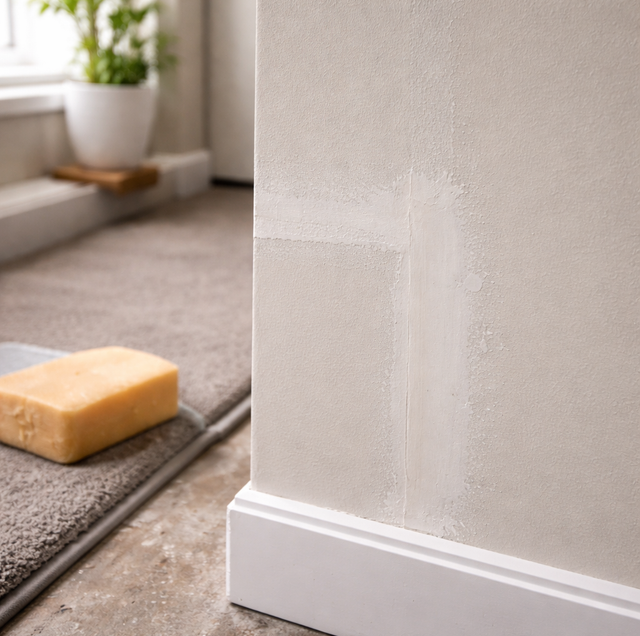
Quick Answer: A drywall crack that returns after patching is rarely a spackle problem. It is a sign that something behind the wall is still moving, and rigid filler cannot span a joint that keeps flexing. Match the repair to the cause: reinforce moving seams with tape, use flexible material at trim joints, and get a widening or stair-step crack evaluated before you cover it.
You filled the crack, sanded it smooth, painted over it, and felt done. A few months later, a thin line reappears in the same spot. It is easy to blame the patch, buy a better compound, and try again. The frustrating part is that the second repair usually fails the same way.
A crack that keeps returning is a symptom, not a cosmetic flaw. The wall is telling you that the surface is being pulled apart faster than any filler can hold it together. Until the underlying movement is addressed, the strongest spackle on the shelf will lose. The fix that lasts starts with figuring out why the drywall is moving in the first place.
Cracks Are a Movement Problem, Not a Filler Problem
Drywall is a rigid panel of gypsum wrapped in paper. It does not stretch. When the framing behind it shifts even a fraction of an inch, that stress has to go somewhere, and the weakest line in the surface opens up. Patch it with a hard-setting compound, and you have simply added more rigid material across a joint that is still flexing. The next time the framing moves, the repair cracks along the same line because nothing about the movement changed.
A useful way to see the difference: filler is like gluing a broken plate back together. It works beautifully as long as nobody flexes the plate. A moving wall flexes the plate a little every season, so the glue line reopens no matter how carefully you applied it. The repair has to either absorb the movement or reinforce the joint so the stress spreads out instead of concentrating on one line.
That is why the same crack can be trivial in one house and a red flag in another. The crack itself looks identical. What matters is the source and the size of the movement causing it.
The Common, Harmless Causes
Most recurring cracks trace back to normal building behavior. The house is not failing. It is doing what wood-framed structures do.
Seasonal Movement in the Framing: Wood framing takes on and gives off moisture as indoor humidity changes through the year. Damp air in one season swells the lumber slightly; dry air in another season shrinks it back. The studs, plates, and trusses expand and contract a little in every direction, and the drywall attached to them rides along. Hairline cracks that open a bit, then nearly close again as the seasons turn, are usually this. It happens in humid months and dry months alike, just in opposite directions, so it is a year-round mechanism rather than a one-season event.
Truss Uplift at the Ceiling: In homes with roof trusses, the wood in the attic can move differently from the wood lower in the wall. When the top and bottom of a truss change moisture at different rates, the truss can bow upward slightly, lifting the ceiling away from the interior walls it sits over. The result is a clean crack right where the ceiling meets the wall, often appearing and easing on a seasonal cycle. It looks alarming because it can open a visible gap, but it is a known behavior, not structural damage.
A New Home Settling: A recently built home carries fresh lumber that is still releasing moisture, and the whole structure settles onto its foundation during the first year or two. Small cracks at seams and corners during this period are common and usually stop returning once the materials and the structure reach equilibrium.
Stress Cracks at Door and Window Corners: Look at where recurring cracks start, and you will often find they run diagonally from the upper corner of a door or window. Those corners are stress-concentration points. The opening interrupts the continuous surface of the wall, so any movement in the framing funnels toward the corner and cracks the drywall there first. It is the same reason a small nick in a sheet of paper tears from that exact spot when you pull the paper.
Failed Tape at a Seam: Where two drywall panels meet, the joint is bridged with tape and compound. If the original tape was poorly bedded, bubbled, or applied over dust, it never bonded. A long, straight crack that follows a seam, sometimes with the tape edge lifting, is usually tape failure rather than framing movement. The panels are fine; the joint between them was never properly tied together.
The Cracks That Are Warning Signs
A minority of recurring cracks point to something that needs a professional look before any patching. The pattern and behavior tell the story.
Watch for cracks that form a stair-step pattern, especially in a masonry or block wall, tracing the mortar lines like steps. Watch for cracks that keep getting wider over months rather than opening and closing seasonally. And pay attention when cracks appear alongside doors or windows that suddenly stick or will not latch, or when floors feel out of level. Any one of these, and especially two or more together, can signal foundation or structural movement rather than ordinary seasonal shifting.
The distinction that matters: harmless cracks tend to be thin, stable in size, and cyclical. Concerning cracks tend to widen over time, run in a stair-step or long horizontal path, and come paired with sticking doors, uneven floors, or gaps opening at trim. In expansive clay soils that swell when wet and shrink when dry, the ground under a slab can move enough to drive these patterns, so they are worth taking seriously. Covering a structural crack with compound hides the evidence without stopping the cause, and the movement keeps progressing behind a fresh coat of paint. If the crack fits this profile, an evaluation comes before any repair.
Why the Simple Patch Keeps Failing
Once you know a crack comes from movement, the reason a basic patch re-cracks is obvious. Setting-type joint compound and lightweight spackle dry hard and brittle. Troweled across a joint that flexes, brittle material has no give. The first cycle of expansion snaps it along the original line.
Two things separate a repair that holds from one that fails: reinforcement and flexibility. Reinforcement spreads the stress across a wider band, so no single line takes all of it. Flexibility lets the repair move with the joint instead of fighting it. A patch that has neither is just brittle mud waiting for the next season.
Repairs That Actually Hold
The right method depends on which cause you identified.
Re-Bed a Cracked Seam With Tape: For a crack along a panel seam or a failed tape line, cutting out the loose tape and re-bedding the joint is what lasts. Paper tape or self-adhesive fiberglass mesh tape embedded in fresh compound ties the two panels back together so the joint acts as one surface again. The tape carries the tension across the seam; the compound only shapes and smooths. Skipping the tape and troweling compound straight into the crack is the single most common reason a seam crack comes back.
Use Flexible Caulk at Moving Trim Joints: Where drywall meets a different material that moves independently, such as the joint between a wall and door or window trim, a rigid patch is the wrong tool. A quality paintable elastomeric caulk flexes with the seasonal movement and stays intact where hard compound would split. Caulk belongs at these material-to-material joints, not spread across the open face of a wall.
Give Truss Uplift Room to Move: A truss-uplift crack at the ceiling line will keep returning if you simply fill it, because the ceiling is designed to lift. The lasting approach is a floating-corner detail: releasing the drywall fasteners near the wall-ceiling joint so the ceiling panel can rise and fall without dragging on the wall, then finishing the corner with crown molding or a flexible joint that hides the movement. The gap still opens, but it opens behind trim where no one sees it, instead of tearing a painted joint.
Warning: In homes built before 1980, the paint or joint compound may contain lead or asbestos, and sanding releases those into the air. Test suspect materials before disturbing them, and stop if you are unsure. Even in newer homes, drywall dust is an irritant, so wear a dust mask and eye protection, and set any ladder on a stable, level surface when you work near the ceiling.
When It Is Time to Call a Pro
Cosmetic recurring cracks at seams, corners, and trim are within reach of a careful homeowner with the right materials and patience across a couple of seasons. The line to stop at is when the crack itself is a symptom of something larger. A stair-step pattern, a crack that widens month over month, a horizontal crack across a long run, doors and windows that have started sticking, or floors that feel out of level all warrant an evaluation rather than a patch. Filling those buys a clean wall for a few weeks and lets the real issue advance unseen. A professional can read the pattern, check whether the framing or foundation is moving, and tell you whether you are dealing with a finish repair or a structural one before you spend another weekend chasing the same line.
Frequently Asked Questions
Give it a full year, not a few weeks. Because most recurring cracks are driven by seasonal moisture swings in the framing, a repair only proves itself once the house has cycled through both its dampest and its driest stretch. A patch that survives a single season may still reopen when the framing swings the other way. If a properly taped and finished repair holds through a complete humid-to-dry cycle, it is fixed for good.
It does. All-purpose and lightweight compounds are made for smooth finishing, not for spanning stress, and they stay brittle. A setting-type compound, sold as "hot mud" and mixed from powder, cures by chemical reaction into a harder, denser fill that resists shrinkage cracking better on the initial application. Neither one substitutes for tape on a moving seam, but for a stress-prone repair, the setting-type product is a more durable base coat than a bucket of premixed lightweight.
Not quite. Self-adhesive fiberglass mesh is easier to apply and resists mold, which makes it handy for flat seam repairs. Paper tape has higher tensile strength and folds cleanly, so it holds better at inside corners and on joints under real tension. Many pros reach for paper on stress cracks and corners and save mesh for plain flat patches. Using mesh at a tight inside corner is a common reason a corner crack returns.
That opening-and-closing rhythm is the fingerprint of a harmless seasonal crack. As indoor humidity rises, the wood framing absorbs moisture and swells, narrowing the gap; as the air dries out, the wood shrinks, and the crack widens again. A crack that breathes on this cycle but never grows past its previous width is usually cosmetic. The one to worry about is a crack that only ever gets wider and never returns to its old size.
Only briefly, and it can make things worse. Paint has no structural strength, so it splits the moment the joint moves again, and repeated paint buildup over an unfixed crack leaves a ridge that is harder to repair cleanly later. Elastomeric or high-build primers marketed for hairline cracks can bridge very fine, stable lines, but they are a finishing aid over a sound repair, not a substitute for taping a moving seam.
Yes, and older homes often have plaster rather than drywall. Plaster cracks frequently come from the plaster losing its grip on the wood lath behind it, so the fix can involve re-securing the plaster field with plaster washers before filling, not just taping the surface. The diagnostic logic is the same: movement versus finish failure, but the repair details differ, which is one reason a recurring crack in an older home is worth a professional look.
Book a free crack evaluation before you patch again — get the cause diagnosed so the repair actually holds. Clover Valley Home Service serves Rocklin, Roseville, and the Sacramento area. CSLB #1003154. Call (916) 742-3141.
