Plumbing Fixes That Save You Money and Stress
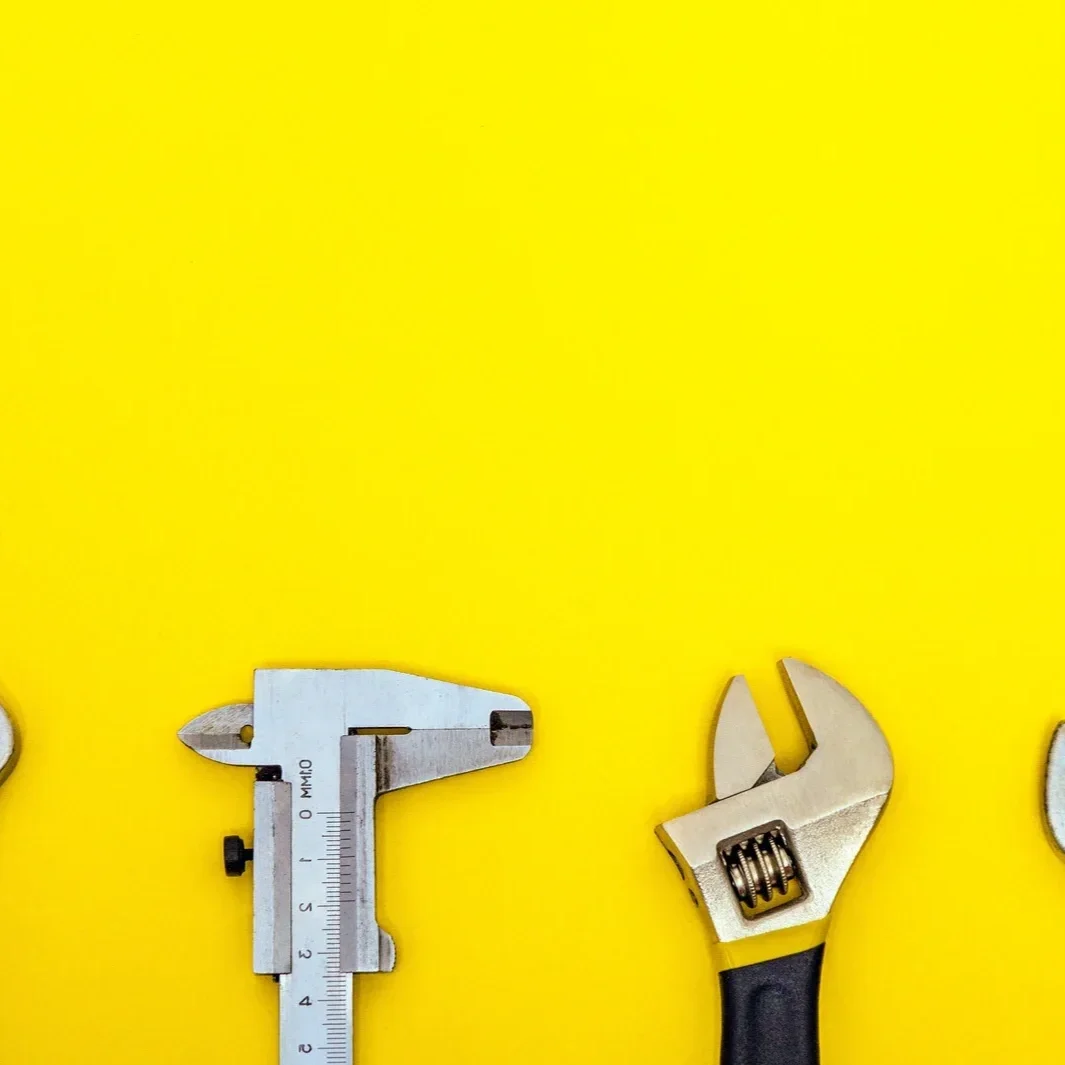
From fixing leaky faucets to tackling drain problems before they escalate, small actions can make a huge difference in keeping your home's plumbing running smoothly.
When it comes to home maintenance, plumbing concerns are among the most dreaded. Leaks, clogged drains, and running toilets often seem to pop up out of nowhere, throwing a wrench into your day and sometimes, your budget. Fortunately, not every plumbing problem requires a costly service call or hours of DIY frustration. There are simple fixes and proactive measures that can save both money and stress in the long run. From fixing leaky faucets to tackling drain problems before they escalate, small actions can make a huge difference in keeping your home's plumbing running smoothly.
Fixing Leaky Faucets
A dripping faucet may seem like a minor nuisance, but it can actually have a significant impact on your water bill. Over time, even a little drip can waste gallons of water, adding up to a hefty cost by the end of the month. A simple repair can save you a lot of frustration and unnecessary expense. In most cases, replacing the washer or O-ring in the faucet will stop the leak. If you're not sure how to go about it, a local plumber can walk you through the process, or you can always search for tutorials online that provide step-by-step guidance.
Maintaining Your Water Heater
Water heaters are another source of frustration when they don't work properly. If your water heater is running inefficiently, it can cause higher energy bills and even the inconvenience of running out of hot water in the middle of a shower. Flushing your water heater regularly can remove sediment buildup that affects its performance, allowing it to heat water more effectively. You can also double-check the temperature settings on your water heater. Keeping the temperature around 120°F is not only safer but also more energy-efficient.
Cleaning and Preventing Clogged Drains
Clogged drains are a common plumbing concern, but routine cleaning and preventive measures can save you the headache of backups or slow drainage. A combination of baking soda and vinegar works wonders for clearing out minor blockages and preventing the buildup of gunk that can cause problems down the line. For stubborn clogs, a plumber's snake is a handy tool that can clear most blockages without harsh chemicals. A monthly cleaning regimen using these safe, simple methods can keep your drains running smoothly for months.
Proper Toilet Maintenance
A running toilet is another source of wasted water and high bills. The constant sound of running water may seem like an annoying background hum, but it can total up to hundreds of gallons wasted each month. Thankfully, fixing a running toilet is often as simple as adjusting the flapper or replacing the fill valve. When a toilet runs constantly, the flapper doesn't seal properly, allowing water to flow continuously into the bowl. Replacing this worn-out part can solve the problem in minutes and keep your toilet working efficiently. Regularly checking the flapper and adjusting the float valve can keep your toilet in tip-top shape.
Checking for Leaks
Leaks in your home's plumbing can go unnoticed for a long time, and the damage they cause can add up quickly. Visible leaks under sinks or around faucets are easy to spot, but hidden leaks, such as those in walls or behind appliances, can often go undetected. Keeping an eye on your water meter is a simple way to spot potential leaks. If the meter shows an increase in usage without any explanation, it may be time to call a plumber to inspect the system. Catching leaks early can prevent costly repairs and water damage that could require extensive work to fix.
Water Pressure Issues
Low water pressure can be more than just an inconvenience—it can be a sign of a deeper issue, like clogged pipes or a problem with the municipal water supply. If your water pressure is low, start by checking the aerator on your faucets. Over time, minerals can build up and block the flow of water. A quick cleaning or replacement can often restore pressure. If the issue persists, it may be worth calling a professional to assess the condition of your pipes or the pressure regulator.
Installing Water-Saving Devices
If you're looking to save money on water bills while helping the environment, consider installing water-saving devices like low-flow showerheads and faucets. These devices reduce water usage without sacrificing performance. A low-flow showerhead can save you up to two and a half gallons of water per minute, and newer models maintain water pressure for a satisfying shower experience. Similarly, water-efficient toilets and faucets use less water, reducing your utility bills while still performing as expected.
Winterizing Your Plumbing
During the colder months, the threat of frozen pipes looms large. Frozen pipes can burst, causing costly repairs and significant water damage. Taking the time to winterize your plumbing properly can save a lot of money and stress. Start by insulating exposed pipes in unheated spaces, such as attics, basements, and garages. If temperatures are expected to dip below freezing, let a faucet drip slightly to prevent the water in the pipes from freezing. If you plan to be away for an extended period, it's a good idea to shut off the water supply to your home and drain the pipes to avoid any surprises when you return.
Properly Disposing of Waste
One of the simplest ways to avoid plumbing problems is to be mindful of what you put down your drains and toilets. Grease, coffee grounds, and non-flushable items like wipes can provoke major clogs and damage to your pipes. Always dispose of these materials in the trash, and use drain strainers to collect food scraps and hair. Taking care of what goes into your plumbing system will keep your drains and pipes clear and help prevent the expense of a clogged sewer line.
Investing in Regular Maintenance
While it may seem like an upfront cost, scheduling regular plumbing maintenance can save you significant amounts of money in the long run. A plumber can execute a thorough inspection of your plumbing system, finding potential problems before they become major concerns. Regular maintenance helps to catch small leaks, worn-out parts, or signs of corrosion before they become expensive repairs. By investing in routine maintenance, you can prolong the life of your plumbing system and keep it functioning efficiently for years to come.
Know When to Call a Professional
While DIY plumbing fixes can save money, some issues are best left to the professionals. If you encounter a plumbing problem that's beyond your skill level, it's worth calling a plumber right away. Issues such as mainline blockages, pipe replacements, or serious leaks require expert knowledge and specialized equipment. Trying to handle complex problems on your own can cause further harm and higher repair costs. A professional plumber will quickly assess the situation and implement a long-lasting solution, saving you time, money, and unnecessary stress.
Conclusion
Small plumbing fixes and preventive measures can make a great difference in your home's functionality and your wallet. By keeping your plumbing in check with simple repairs, regular maintenance, and mindful practices, you can avoid major issues down the road and save yourself the stress of dealing with unexpected repairs. Taking a proactive approach to your plumbing not only helps you save money but also adds to your peace of mind, knowing that your home's plumbing system is working efficiently and reliably.
Trust Clover Valley Home Service for professional kitchen countertops, electrical, plumbing, tile installation, flooring installation & repair, and epoxy floor coatings in Greater Sacramento, Placer, & El Dorado Counties. We cater to a wide variety of home services and repairs, guaranteeing quick and efficient solutions and outstanding customer satisfaction. Call today to learn more.